

The Scriptures and the living Word
The Bible is the Church’s central written witness to God’s revelation. Its books include law, history, prophecy, poetry, wisdom, letters and Gospel. Each form calls for attentive reading: the language of a psalm, the story of a parable and the argument of an apostolic letter each help convey its meaning.
Orthodox Christians read the Scriptures in the light of Jesus Christ, the living Word of God. The Old and New Testaments belong within one history of God’s saving work. Reading each passage within that story helps us recognise its place in the revelation of Christ.
What daily readings mean
The Church appoints passages for its services through a lectionary, a cycle of readings linked to the liturgical year. At the Divine Liturgy, the apostolic reading precedes the Gospel. The apostolic selection may come from Acts as well as from a New Testament letter.
The lectionary follows the Church’s seasons and commemorations. Feasts have their own selections, and Great Lent has a particular pattern. A day’s reading list can therefore draw on several books and services.
A simple way to read
Choose a short passage and begin with prayer for understanding. Read slowly enough to notice who is speaking, what is happening and what comes before and after the selection. Read it again before rushing to an interpretation.
Notice a word, action or question that calls for closer attention. Ask what the passage reveals about God and what response it invites. Finish by turning that response into prayer. Give the passage time to shape your attention and actions.
Study within the life of the Church
The Church's worship, the Fathers' commentaries and study within the parish help open the meaning of Scripture. Bring questions to a priest or study group and return to difficult passages with their guidance.
Metropolitan Kallistos’s guide to reading the Bible describes an approach that listens obediently, reads with the Church, seeks Christ and receives the text personally. Read with attention to language, history and context, seeking communion with God through His word.
Remembering the Old Testament
Old Testament readings have an important place in the services, particularly around major feasts and during Great Lent. They help the Church hear the Gospel within the wider history of creation, Israel, promise and fulfilment.
The Old Testament has a rich place in the Church's worship and teaching. Alongside the daily Epistle and Gospel, personal reading can explore its law, poetry, prophecy, wisdom and history with the guidance of the Church.
From reading to life
Carry one concrete response into the day: an act of reconciliation, a refusal to join in slander, a kindness to someone easily overlooked, or renewed patience in a responsibility. The aim is to allow hearing to become obedience.
When a passage is difficult, write down a question, return to the reading and listen for its explanation in worship. Through this patient attention, Scripture becomes a lifelong school of faith.
Finding the readings
The OCA provides an English daily reading service with a date search and passage references. It is a useful external resource. For the readings appointed at a particular parish service, follow the parish’s calendar and clergy guidance.
Different calendars and local commemorations can affect the selections shown by external services. A visiting reader can use the external resource for personal study while learning the pattern followed by the local worshipping community.
Which service are the readings for?
A calendar may list several passages for a date. The service and occasion explain how they belong together. At the Divine Liturgy, the Epistle reading is normally drawn from Acts or the apostolic letters and is followed by the Gospel. Particular feasts can also have appointed Old Testament readings at Vespers.
The annual sequence brings the congregation repeatedly through the Scriptures in the setting of worship. A reader at home can follow the appointed passages and also read a Gospel or another biblical book in sequence. Keeping the chapter open helps you see the setting of a passage selected for a particular service.
Five questions for attentive reading
Use these questions slowly. Some passages call for study and discussion, while others give a clear occasion for thanksgiving, repentance or an act of care. Write down a question that needs further help and bring it to the priest or an appropriate study group.
- What is happening in the passage, and who is speaking?
- What comes immediately before and after it?
- What does it reveal about Christ, God’s work and the human response?
- What word, action or difficulty deserves further attention?
- How can the reading lead into prayer and faithful action today?

Grow familiar with a Gospel
Choose a Gospel to read from its beginning, alongside the passages appointed in the Church’s calendar. Saint Mark offers a direct route into the proclamation of the Kingdom, the calling of the disciples and the journey towards the Cross and Resurrection. The Saint Mark guide suggests passages to revisit as you read.
Return to a passage after hearing it proclaimed in church or explained in a homily. Familiarity grows through this repeated encounter. Over time, the readings, the hymns of a feast and the teaching of the Fathers begin to illuminate one another, giving study a place within the worship and life of the Church.
Continue exploring
Read further
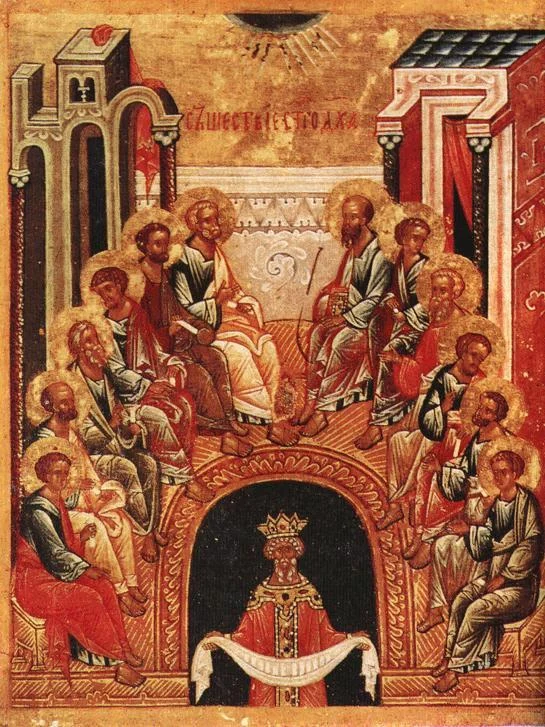
The Church calendar
The Church calendar brings the commemoration of saints and saving events into the life of prayer. Fixed feasts, the Paschal cycle and the readings for particular services give shape to the Church year.
Read more →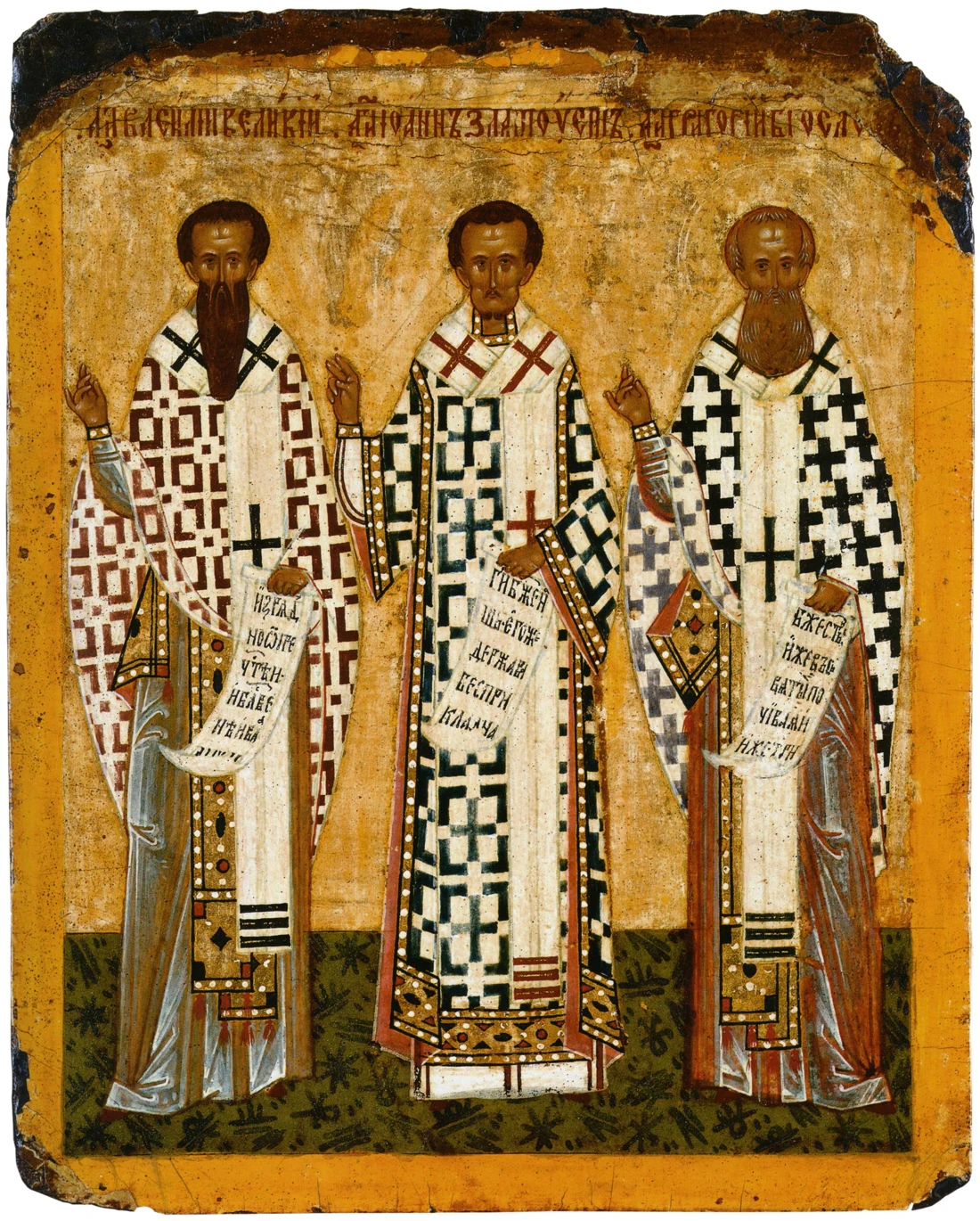
The Fathers and biblical interpretation
The Fathers help the Church read Scripture, confess Christ and practise the Christian life. Their theology grew through preaching, worship, spiritual struggle and pastoral care. Alexandria holds a central place in that inheritance.
Read more →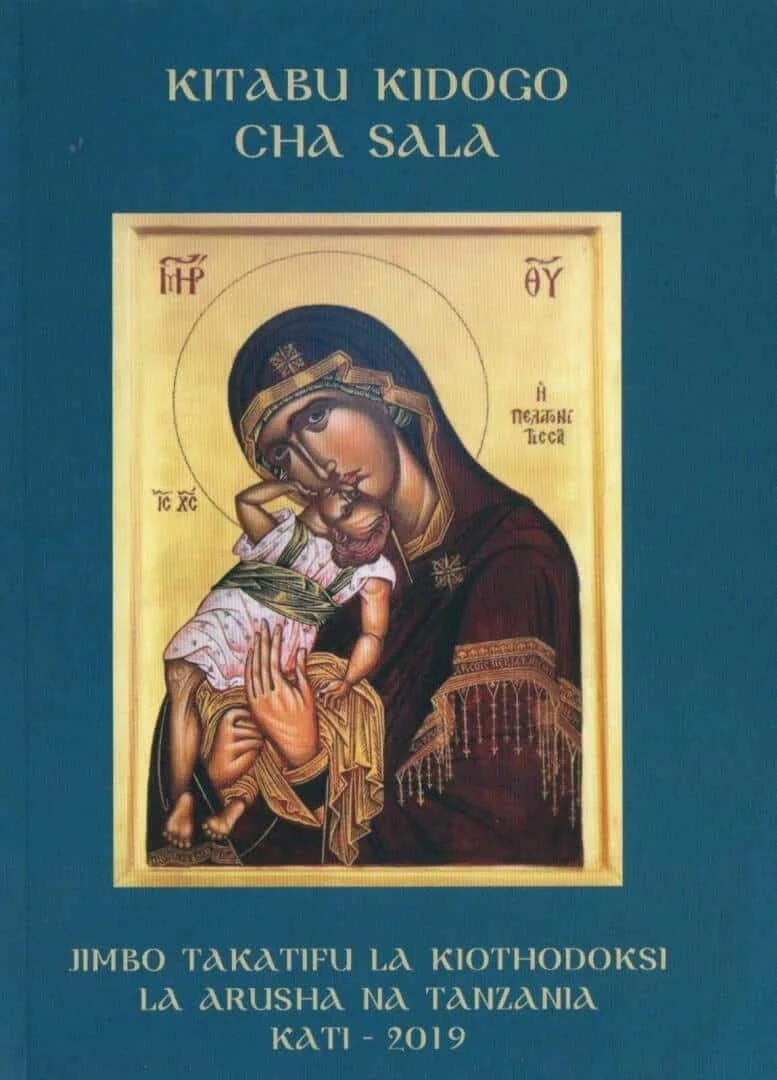
Prayer in daily life
Prayer joins the ordinary hours of life to the presence of God. A simple, faithful rhythm helps a person offer thanksgiving, ask for mercy, remember others and grow in the prayer of the Church.
Read more →