

A beginning that can become a habit
Prayer is the turning of the mind and heart towards God. It includes praise, thanksgiving, repentance, petition and attentive silence. The aim is communion with Him and a life increasingly open to His will.
Begin with a small and regular commitment. A short period in the morning and another before sleep can give shape to the day. Find a quiet place, put aside distractions and pray with attention. A consistent rhythm gives the practice room to grow.
Learning the words of the Church
Received prayers help a person learn how the Church gives thanks, asks for forgiveness and entrusts life to God. A prayer book provides words for mornings and evenings, meals, work, sickness and other circumstances. These prayers can be joined with a personal response in one’s own words.
The OCA’s prayer collection provides accessible English texts for these occasions. A parish priest can help a beginner choose a manageable selection and find an appropriate text in the language used at home. Such guidance connects a personal practice to the worshipping community.
The Lord’s Prayer
The prayer taught by Christ places our needs within a greater desire for God’s Kingdom and will. It teaches us to address God as Father, seek daily sustenance, ask for forgiveness and extend forgiveness to others.
Praying it attentively means allowing its petitions to question our conduct. A request for forgiveness has consequences for the grudges we keep; a prayer for daily bread also reminds us of dependence and gratitude. Its familiar words contain a whole direction for Christian life.
The Jesus Prayer
“Lord Jesus Christ, Son of God, have mercy on me, a sinner.”
This brief invocation confesses who Christ is and expresses a humble request for His mercy. Pray with attention to the Lord during an ordinary pause in the day or when seeking help against temptation.
A beginner can use the Jesus Prayer simply: call upon Christ with faith, humility and a desire to live His commandments. A priest or experienced spiritual guide can help with a prayer rule suited to daily life and with questions arising from spiritual reading.
Remembering others before God
Christian prayer reaches beyond personal concerns. Bring before God those who are sick, lonely, travelling, grieving or in difficulty, as well as family, neighbours and those with responsibilities for others. The Church also prays for the departed.
Intercession offers the needs of others to the mercy of God, trusting His wisdom. Prayer can also open our attention to practical ways of sharing in their difficulties and helping them.
Praying with the Church
Daily prayer and liturgical prayer sustain one another. At the services, a person learns to pray with the Church, joining personal needs to its wider petitions and thanksgiving. Listening to the readings and hymns is part of that participation.
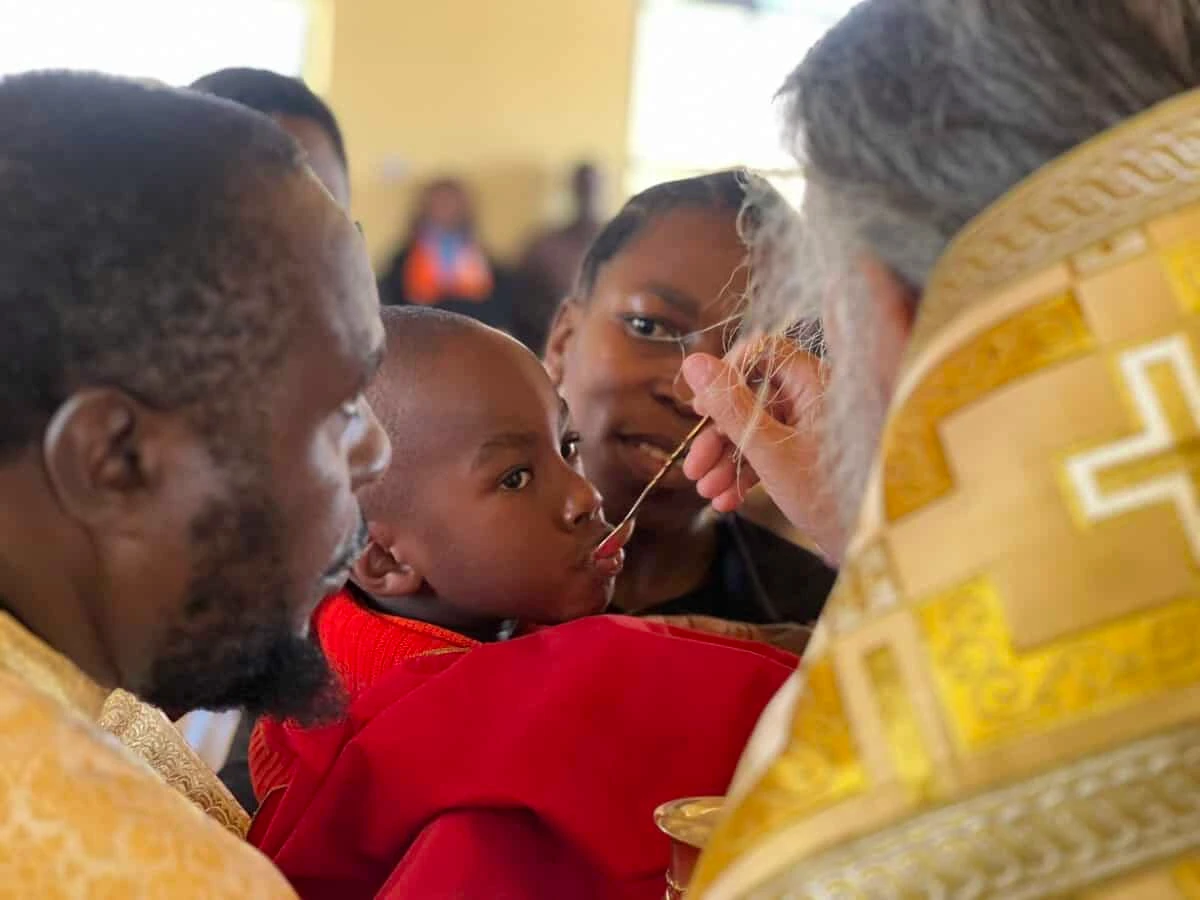
A home prayer rule is connected to the parish's worship. Continue with patience and speak to a priest when prayer becomes difficult. Through this faithfulness, prayer nurtures love, repentance and trust in God.
Learning to pray with the Psalms
The Psalms give words to thanksgiving, sorrow, repentance, trust and longing for God. They are heard throughout the Church’s worship and can also become familiar companions in prayer at home. Read a short passage attentively, allowing time to understand the voice of the prayer and the circumstances it brings before God.
Psalm 50 in the Greek numbering, commonly numbered 51 in English Bibles, is a prayer of repentance. Its petitions for cleansing, a renewed heart and the joy of salvation give a way to bring failure and hope into prayer. Differences in Psalm numbering become easier to follow when you compare the opening words as well as the number.
Sources: Psalm 51 — a prayer of repentance
A simple pattern for home prayer
A brief, regular beginning can be discussed with the priest and developed as you learn the prayers of the Church. Choose words you understand and give them attention. The following order is an introductory outline for personal use.
- Become still and turn your attention to God.
- Offer thanks for the gifts and people entrusted to your care.
- Ask for mercy, forgiveness and guidance.
- Pray the Lord’s Prayer and a short Psalm or other received prayer.
- Remember people by name: family, neighbours, the sick and those in hardship.
- Read a short Gospel passage and carry one part of it into the day.

Let prayer grow into care
Intercession draws the needs of other people into prayer. Remembering someone who is ill, a family under strain or a person in prison can also awaken a practical responsibility: a visit, a meal, a conversation or another act of care. Prayer teaches attention to the person before us.
The Church’s common prayer reaches beyond the individual household. The parish remembers its shepherds, the community, travellers, those who suffer and the departed. Bringing those concerns into home prayer helps keep personal devotion connected with the people with whom we share life in Christ.
Sources and further reading
- Psalm 51 — a prayer of repentance
Continue exploring
Read further
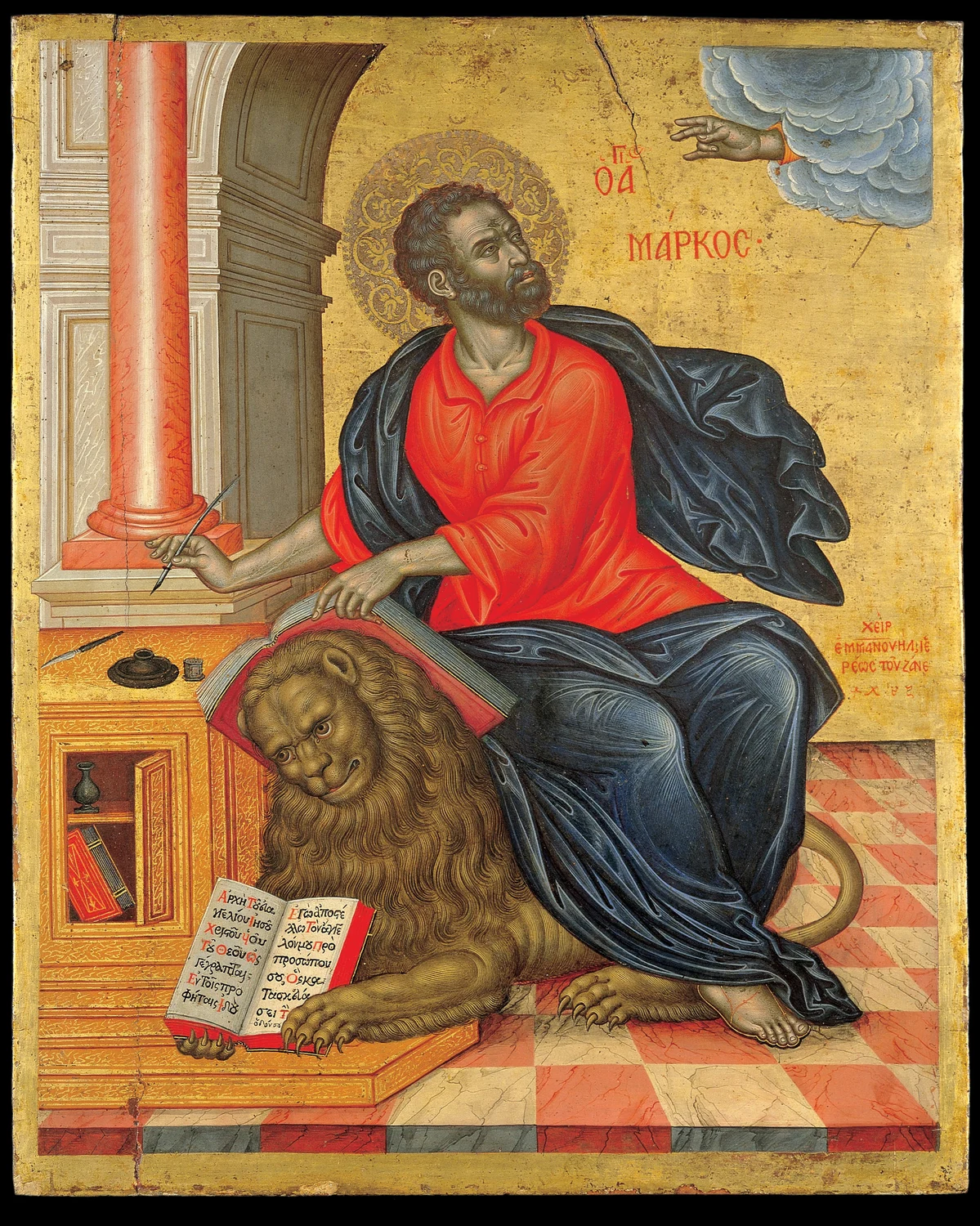
Reading Scripture prayerfully
A daily reading habit connects the words heard in worship to the life lived between services. Read attentively, understand the passage in its setting, and allow the Gospel to lead into prayer and action.
Read more →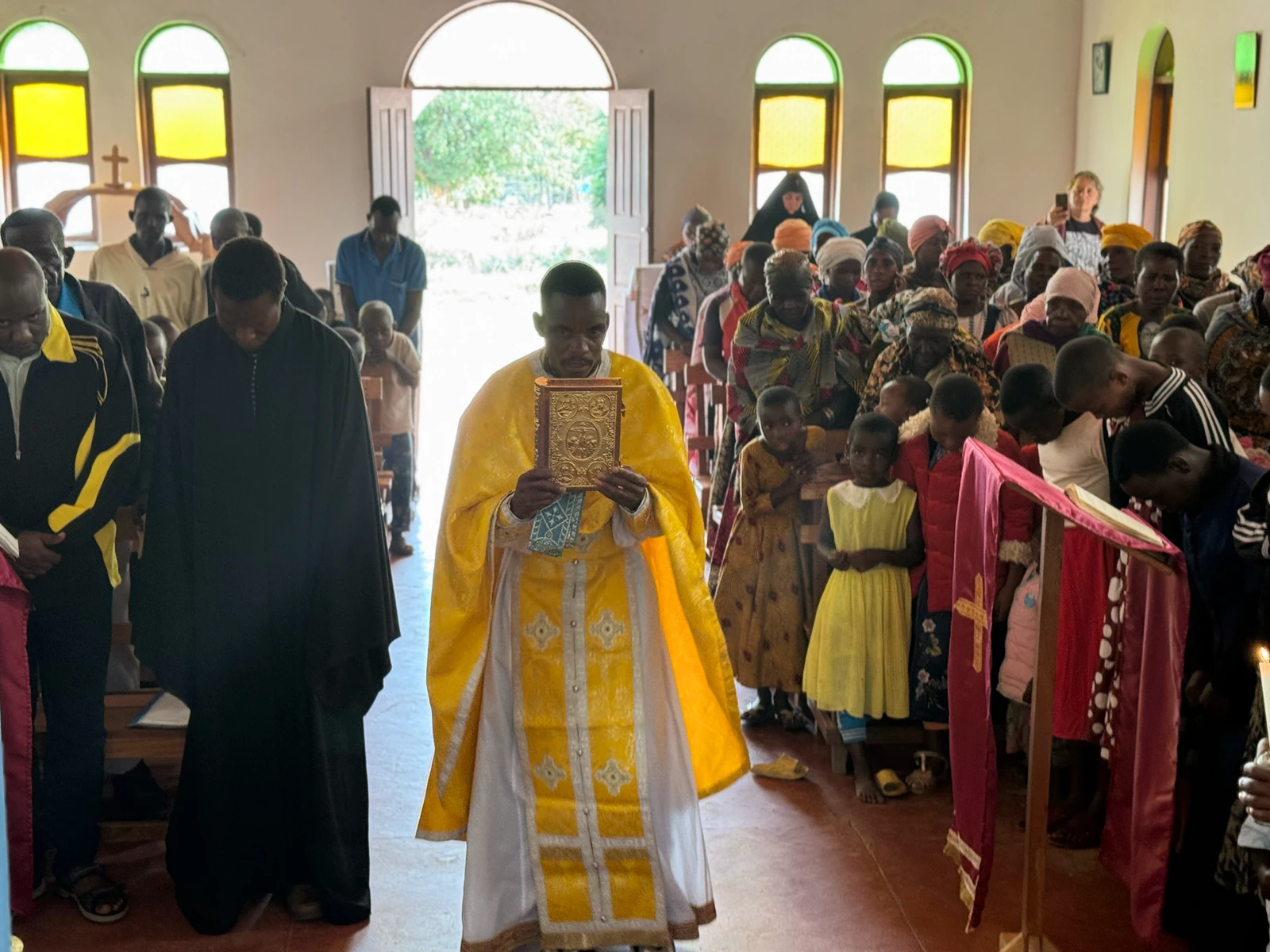
Speak to a priest
A personal conversation connects your questions with the life of a parish and your own circumstances. Begin with a request for a meeting and bring the questions you wish to explore.
Read more →