
Christ, the Apostles and Pentecost
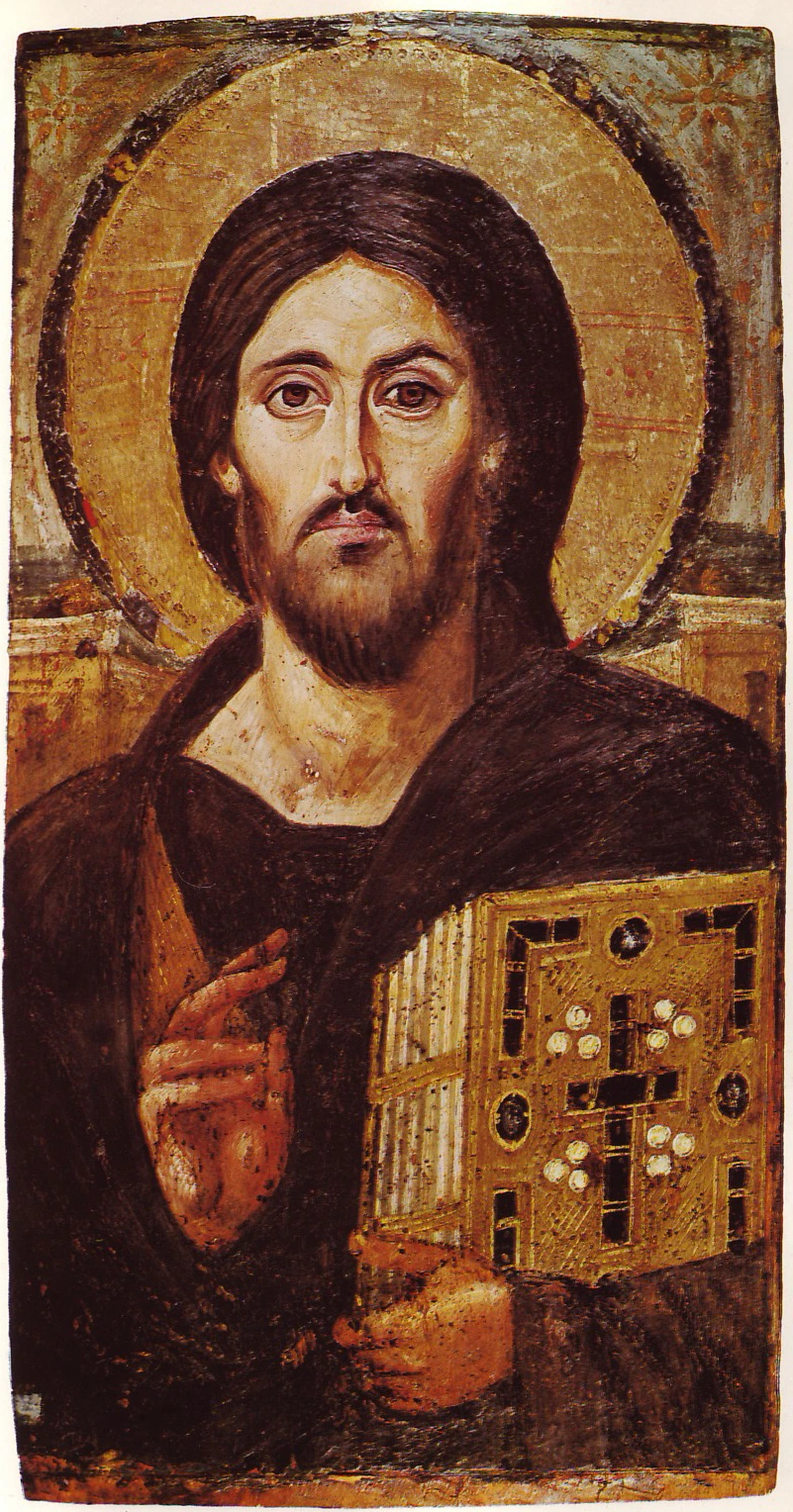
The Church’s story begins with a person: Jesus Christ, whom Christians confess as the incarnate Son of God. The Gospels witness to His birth from the Virgin Mary, His teaching and healing, His Crucifixion, Resurrection and Ascension. The Church understands these events as God’s saving action in human history.
Christ chose and formed the Apostles to bear witness to Him. At Pentecost the Holy Spirit came upon the disciples in Jerusalem, empowering their proclamation beyond the boundaries of one people or language. Acts follows that expanding mission, including the journeys of Saint Paul. Pentecost reveals the Spirit-given life by which the Church continues its mission.
An apostolic community
The first Christians gathered for apostolic teaching, prayer, fellowship and the Eucharist. Baptism incorporated new believers into Christ; their common life included material care for those in need. The communities shared their faith across cities and regions through the Apostles, their fellow workers and the relationships formed between the churches.
Acts 15 records the council at Jerusalem, usually dated around AD 49, which addressed the reception of Gentiles. Converts were not required to become Jews through circumcision in order to belong to Christ. This gathering provides an early pattern of the Church confronting a difficult question together, with its leaders listening to the witness of God’s work.
From persecution to public freedom
The early Church grew within the Roman Empire without possessing imperial power. Martyrs confessed Christ under persecution, while ordinary communities sustained worship, teaching and charitable care. The persecution begun under Diocletian in 303 was a particularly severe trial.
In 313 Constantine and Licinius agreed at Milan to religious toleration and the restoration of Christian property. The new freedom allowed churches and institutions to flourish and brought the Church into a new relationship with imperial authority. Christian communities could worship publicly and develop their educational and charitable work on a wider scale.
Nicaea I — 325
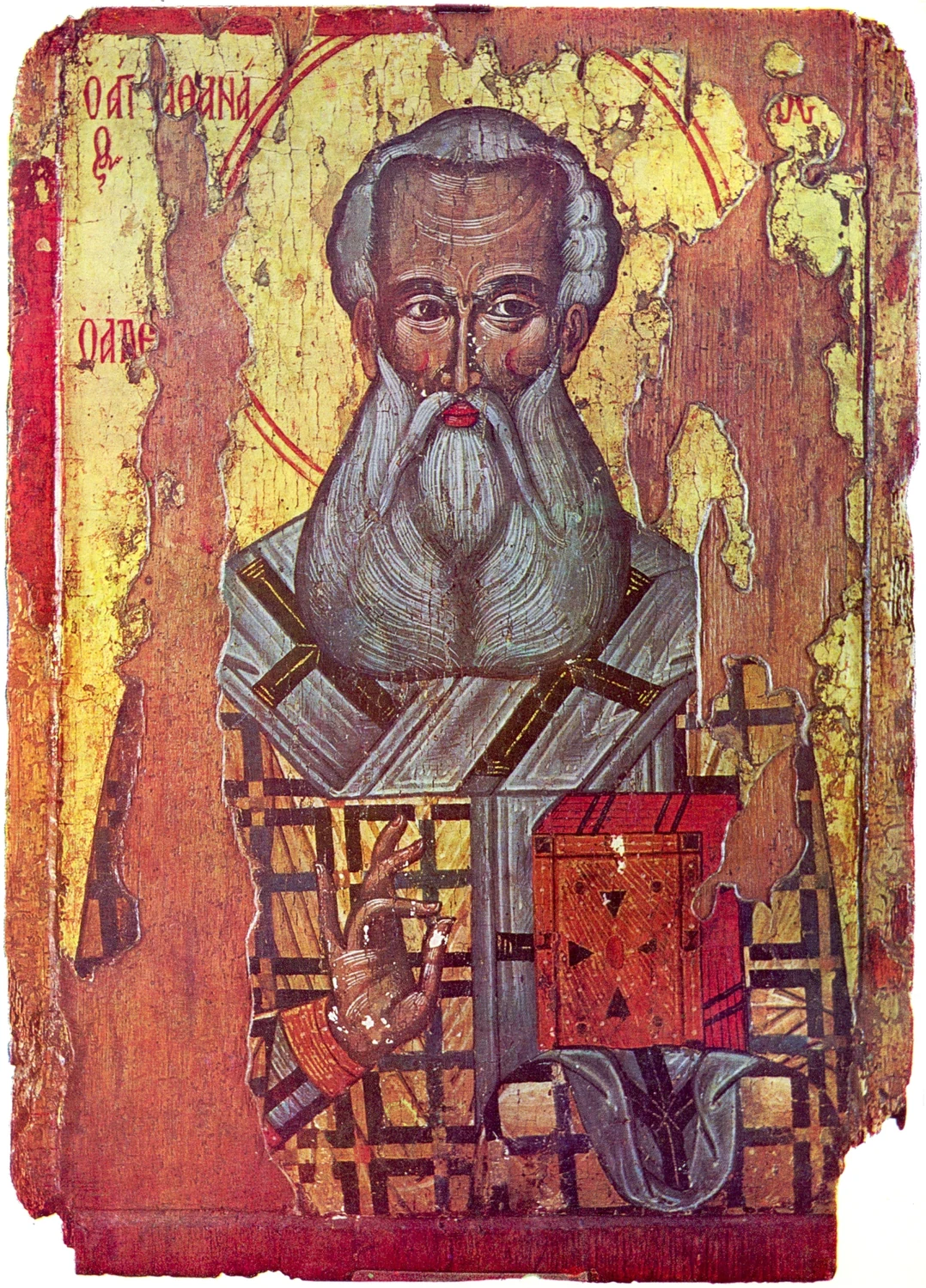
The First Ecumenical Council met at Nicaea to address the controversy associated with Arius. Was the Son a created being, however exalted, or truly divine? The council confessed that the Son is eternally begotten of the Father and shares the Father’s divine essence. Its teaching guards the confession that the Saviour is God Himself acting for the life of the world.


Constantinople I — 381
The Second Ecumenical Council reaffirmed Nicaea and rejected teachings that diminished the divinity of the Holy Spirit or the completeness of Christ's humanity. Its confession of the Spirit belongs to the Nicene-Constantinopolitan Creed used in Orthodox worship: the shared confession of the Father, Son and Holy Spirit.
Ephesus — 431
The Third Ecumenical Council addressed the dispute associated with Nestorius. Saint Cyril of Alexandria defended the unity of Christ: the eternal Son of God is the same person who was born of Mary. The title Theotokos, meaning the one who gives birth to God, expresses the Church's confession of the Incarnation.
Chalcedon — 451
The Fourth Ecumenical Council confessed one and the same Christ as fully divine and fully human. His two natures remain united in one person without being mixed together or divided into two sons. Chalcedon’s language preserves both the reality of God’s coming among us and the completeness of the humanity He assumed. Christ’s humanity is essential to the Church’s understanding of salvation.
Constantinople II — 553
The Fifth Ecumenical Council reaffirmed the unity of Christ and clarified how Chalcedon should be understood in continuity with Saint Cyril. Its rejection of the writings known as the Three Chapters opposed interpretations that divided Christ. The doctrinal controversies of the period also brought the rejection of speculative teachings associated with Origen and later Origenists.
Constantinople III — 680–681
The Sixth Ecumenical Council rejected Monothelitism, the teaching that Christ has only one will. Following the witness of Saint Maximus the Confessor and others, it affirmed His divine will and His genuine human will, together with divine and human activity. Christ’s human obedience is real and freely harmonious with the divine will; His humanity is neither erased nor reduced to a passive appearance.
Nicaea II — 787
The Seventh Ecumenical Council defended the making and veneration of holy icons against iconoclasm. Because the Word truly became human, Christ can be depicted in His humanity. Honour shown to an icon concerns the person represented. The council distinguished this veneration from the worship owed to God alone, grounding the place of sacred images in the Incarnation.
The faith in new languages
In the ninth century Saints Cyril and Methodius carried Christian teaching and worship to Moravia in the Slavonic language; their mission began there in 863. Translation, literacy and the formation of local clergy helped the faith take root in the language of the people. Their legacy became central to the Christian life of the Slavic world.
A wounded communion
The separation of the Eastern Orthodox and Roman Catholic Churches developed over centuries. Disputes concerned authority, the addition of the filioque to the Creed, and differing practices amid political and linguistic estrangement. The events of 1054 became a landmark; the sack of Constantinople in 1204 deepened the breach. The lifting of the mutual anathemas in 1965 was significant, but did not by itself restore Eucharistic communion.
Receiving this inheritance today
For Orthodox Christians, history is received through the Scriptures proclaimed in worship, the faith confessed in the Creed, the councils’ teaching and the lives of the saints. These belong together. Learning their history helps a visitor understand why the Church’s prayer, icons and sacramental life have their particular shape.
The Church in Tanzania shares this Orthodox inheritance through its communion with the Patriarchate of Alexandria, the teaching of the Apostles and Fathers, and the worship and service of its parish communities.
Continue exploring
Read further
Explore the faith confessed in the Creed
Orthodox Christianity is life in communion with the Father, through Jesus Christ, in the Holy Spirit. The Creed gives a shared confession of that faith; worship, repentance and love make it part of daily life.
Read more →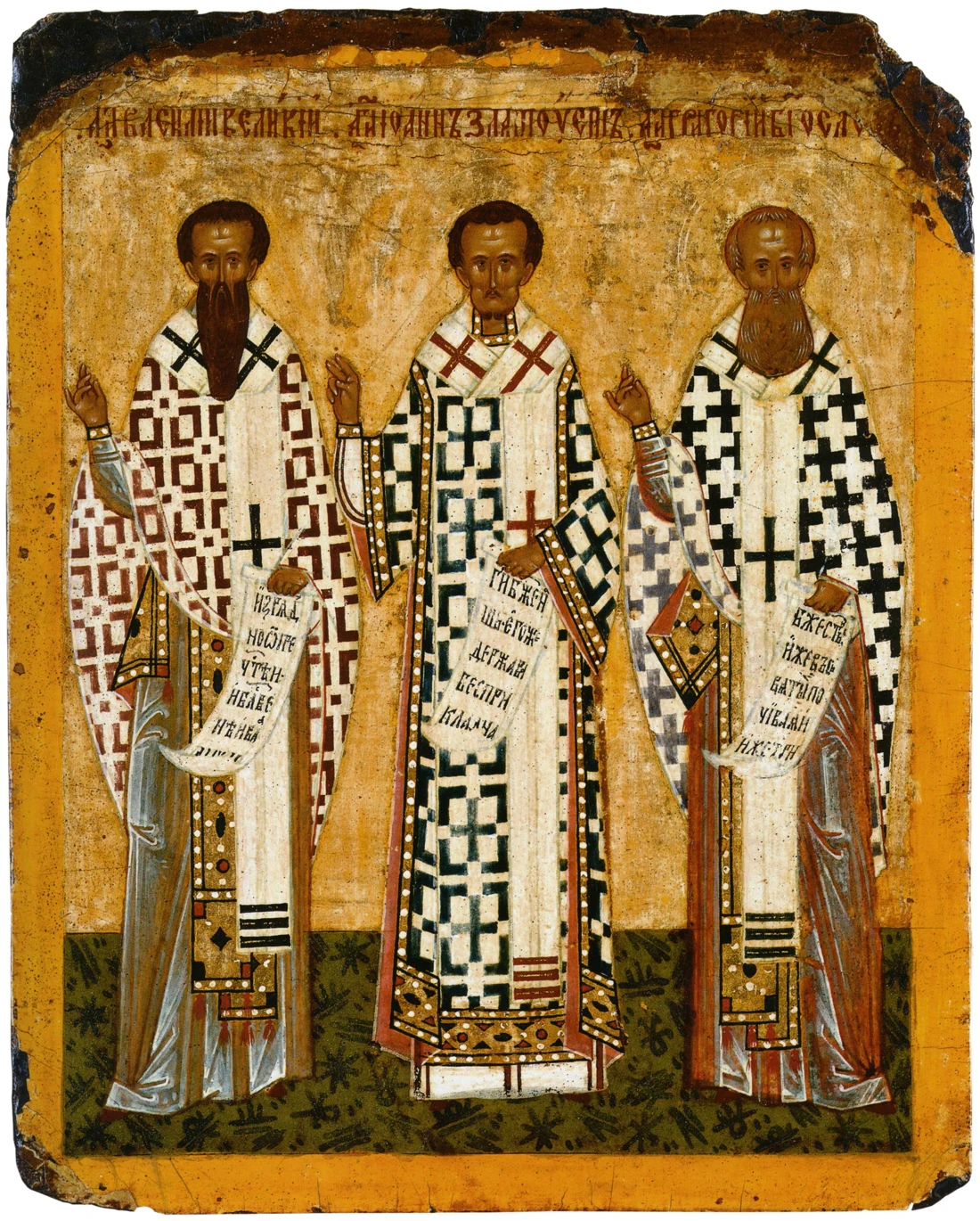
Meet the Church Fathers
The Fathers help the Church read Scripture, confess Christ and practise the Christian life. Their theology grew through preaching, worship, spiritual struggle and pastoral care. Alexandria holds a central place in that inheritance.
Read more →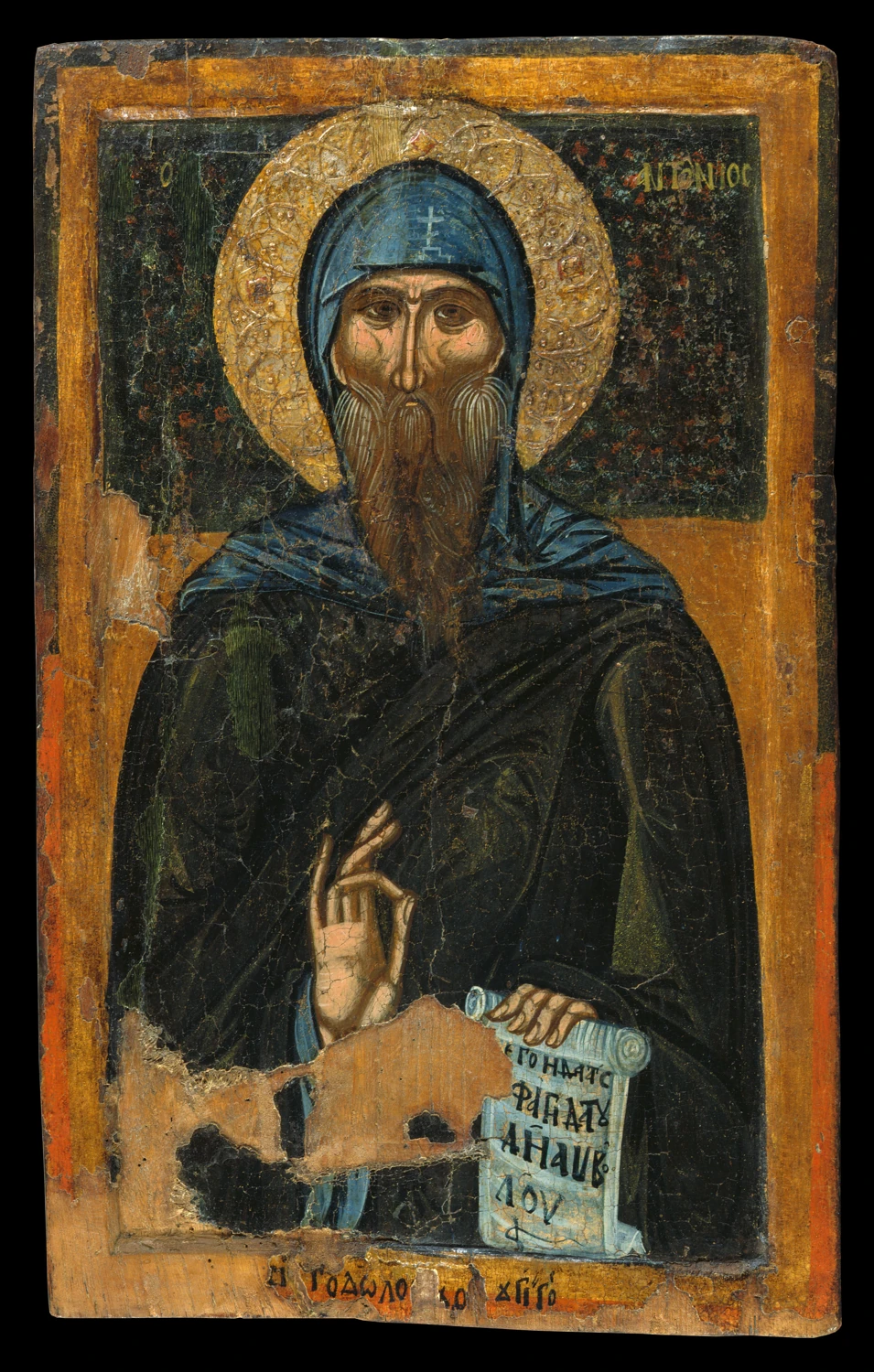
Discover the Egyptian monastic tradition
Egypt holds a foundational place in Christian monastic history. The lives of Anthony, Pachomius and the Desert Mothers show different ways of seeking God through prayer, work, simplicity and love. This is an inheritance for the whole Church.
Read more →