

A calling to seek God
Monasticism is a particular Christian vocation to a life dedicated to God through repentance, prayer and the practice of the virtues. Monks and nuns seek freedom from possessiveness and self-will through poverty, chastity and obedience. These disciplines are directed towards love of God and neighbour.
Monastic profession is the offering of a whole life to God through prayer, ascetic discipline and obedience within the Church. Some monastics also receive ordination and serve as priests or deacons. The vocation has nourished the Church through spiritual counsel, hospitality and the witness of a life devoted to Christ.
Saint Anthony: a father of monks in Egypt
Saint Anthony the Great was born in Coma in Egypt in 251, according to the Church's received chronology. Moved by the Gospel's call to give to the poor and follow Christ, he learned from ascetics near his home before seeking greater solitude in the desert.
Anthony’s life of prayer attracted disciples, and he became a spiritual father to many. Saint Athanasius’s Life of Anthony carried his example far beyond Egypt. Honoured as a father of monasticism, he died in 356.
Saint Paul of Thebes
The Church’s received life of Saint Paul of Thebes, associated with Saint Jerome, honours Paul as an earlier desert hermit. It tells of Anthony discovering him in the wilderness and learning that God’s hidden servants were not limited to those already known to him.
The Life of Paul belongs to the Church's hagiographical inheritance. Its account of hidden holiness, solitude and the meeting of the two ascetics stands alongside the Life of Anthony among the texts through which Christians have encountered the spiritual world of the Egyptian desert.
Saint Pachomius and life in community
Saint Pachomius developed a major form of communal monastic life in fourth-century Egypt. His communities at Tabennisi brought monks together under a common rule, with shared prayer, work, food and responsibility. The term cenobitic means a common life.
Pachomius's received life connects his conversion with the kindness of Christians who cared for military conscripts. It remembers his labour, instruction of the brethren and particular care for the sick. He adapted fasting for sick monks, joining a common rule with attention to each person's needs.
His sister Maria also entered the monastic life, and a community of women grew with his support. Egyptian communal monasticism therefore included both men and women from an early period.
The Desert Mothers
Women are essential to the history of early Christian asceticism. The Desert Mothers were spiritual teachers as well as practitioners of prayer and renunciation. Saint Syncletica of Alexandria is a clear example. Her life describes her distributing her inheritance to those in need, withdrawing with her sister, and guiding other women who gathered around her.
Her authority was expressed through both teaching and the example of her conduct. The Church remembers her endurance in illness as part of this witness. The Desert Mothers are part of Egypt's lasting monastic inheritance.
Solitude, a common life and spiritual guidance
The monastic tradition includes hermits living in solitude, cenobitic communities sharing a common life, and smaller groups of disciples gathered near an experienced elder. These forms gave the monastic vocation different rhythms of prayer, work and spiritual guidance.
A period of testing and formation normally precedes a lasting profession. Under an abbot, abbess or spiritual elder, the novice learns prayer, humility, obedience and discernment. The rule of the community gives these commitments a daily form.
From Egypt to the wider Church
Egyptian monastic experience travelled through personal encounters, the lives of the saints and collections of spiritual teaching. The history of Saint Anthony influenced Christians in Western Europe. The communal tradition associated with Saint Pachomius helped shape the work of Saint Basil the Great and Saint John Cassian, and through later developments the monastic life of the West.
Monastic communities also contributed to theological and pastoral life. Saint Basil placed them within the oversight of the local bishop, joining their prayer and ascetic discipline to the life and responsibilities of the wider Church.
Continue exploring
Read further
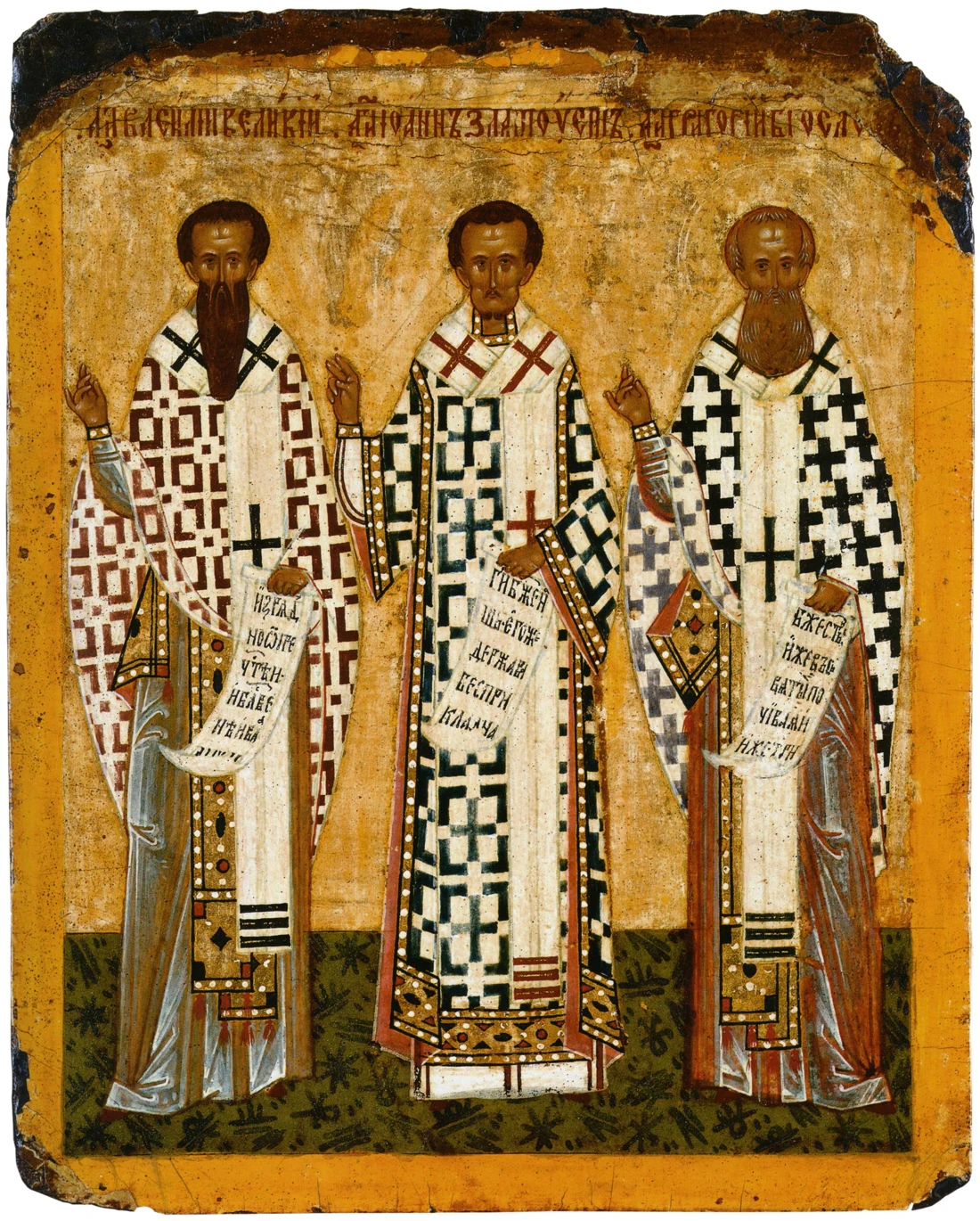
The Fathers and spiritual teaching
The Fathers help the Church read Scripture, confess Christ and practise the Christian life. Their theology grew through preaching, worship, spiritual struggle and pastoral care. Alexandria holds a central place in that inheritance.
Read more →
A beginning in daily prayer
Prayer joins the ordinary hours of life to the presence of God. A simple, faithful rhythm helps a person offer thanksgiving, ask for mercy, remember others and grow in the prayer of the Church.
Read more →
Fasting and mercy
Fasting is a discipline of repentance and attention to God. It belongs with prayer, generosity and the struggle against sin. The Church’s seasons offer a common rhythm, lived with pastoral guidance and care for the person.
Read more →