
What is a catechumen?
The word describes someone being instructed in the Christian faith. It belongs to the Church’s ancient pattern of teaching those preparing for baptism and receiving them into the life of the community. Orthodox worship still includes prayer for catechumens, reminding the faithful that welcoming and preparing new Christians is the responsibility of the whole Church.
You can begin by asking questions and attending services. When you are ready to enter a period of preparation, the priest will explain enrolment as a catechumen and the commitment it involves.
Learning the faith as a whole
Preparation brings together the Gospel, the confession of the Holy Trinity, Christ's Incarnation and Resurrection, Scripture and Holy Tradition, the Creed, prayer and the sacraments. Church history connects these teachings with the people and events through which they were handed on.
The library supports this study with introductions to belief, the Fathers and the councils. Reading Athanasius, for example, opens the Church's confession of Christ through his account of the Incarnation and salvation. A priest or catechist can help you explore the questions that arise.
Prayer, worship and daily life
Prayer, worship, reconciliation and care for others give preparation its daily setting. The faith learned during the catechumenate grows through these habits, which continue throughout Christian life.
Ask for a prayer rule and fasting guidance suited to your responsibilities and circumstances. Small, faithful beginnings allow understanding and practice to grow together under pastoral care.
How long does preparation take?
The priest considers your previous Christian experience, understanding, participation and circumstances when planning preparation. The catechumenate gives each person time to learn the faith and become familiar with the life of the parish.
Readiness is discerned with the priest as learning takes root in worship and daily life. There is time for questions, reflection and a growing commitment to the Church.
Baptism, chrismation and reception
Baptism and chrismation initiate a person into the life of the Church, with the Eucharist at its heart. Speak with the priest about your Christian background, personal preparation and reception into the Church under the bishop’s guidance.
The priest may ask about a previous baptism or church background during your conversation. Personal documents are shared through an agreed private process. The first enquiry needs only the details required to arrange guidance.
How to begin locally
Find a parish or ask the Archdiocese for the appropriate local contact. Say that you are interested in learning and would like to discuss preparation. If travel or language is a difficulty, explain that so a realistic arrangement can be considered.
While arranging a conversation, read a Gospel passage and the introduction to Orthodox belief, keep a short list of questions and attend worship when you can. These are practical first steps in learning and living the faith with the Church.
What a course of catechesis explores
Catechesis introduces the story of salvation as a whole: creation, the calling of Israel, the coming of Christ, His Cross and Resurrection, the gift of the Holy Spirit and the life of the Church. The Creed gives a concise pattern for exploring this faith. Each part opens into Scripture, worship and the teaching of the Fathers.
Learning also reaches into ordinary decisions. Prayer, repentance, forgiveness, family responsibilities and care for neighbours form part of Christian preparation. A parish community helps connect what is studied with what is lived. Questions and difficulties can be brought into that relationship as understanding grows.
| Area of learning | A useful starting point |
|---|---|
| Jesus Christ | Read a Gospel and explore the meaning of His death and Resurrection. |
| The faith of the Church | Learn the Creed and the biblical language of the Holy Trinity. |
| Sacramental life | Understand Baptism, Chrismation and the Eucharist. |
| Christian living | Begin a pattern of prayer, repentance and practical love. |

Preparing for a first conversation
Tell the priest what has drawn you to Orthodoxy and which questions matter most to you. Your earlier Christian experience, any baptism, the languages in which you learn comfortably and the practical pattern of your life help shape the next steps. If you have a previous baptismal record, the priest can explain whether it is needed.
Ask how instruction is organised, how often you can meet, what to read first and which services to attend. Agree on a manageable beginning. The priest can explain the local preparation and reception process under the Metropolitan’s pastoral guidance, including the place of a sponsor or godparent.
The life that continues after reception
Baptism joins a person to the death and Resurrection of Christ. Chrismation is the gift and seal of the Holy Spirit, and participation in the Eucharist belongs to this new life in the Church. Preparation leads towards a continuing relationship with the worshipping community.
After reception, the work of learning continues through Scripture, the Church’s seasons, pastoral guidance and the responsibilities of daily life. A new Christian has a place among people of different ages and experiences, each growing through prayer, repentance and service. The parish remains a home for that lifelong growth.
Continue exploring
Read further
What the Church believes
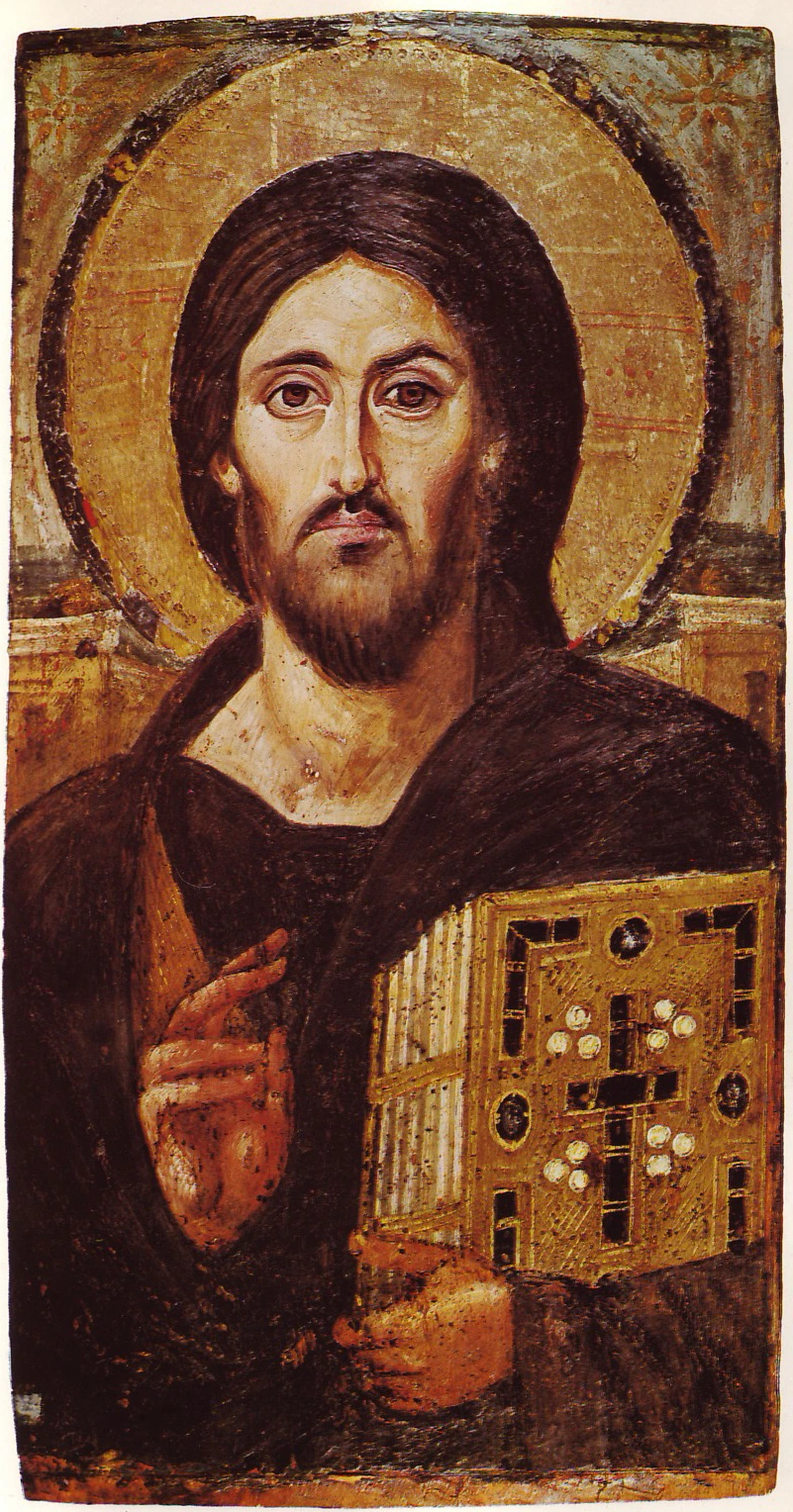
Orthodox Christianity is life in communion with the Father, through Jesus Christ, in the Holy Spirit. The Creed gives a shared confession of that faith; worship, repentance and love make it part of daily life.
Read more →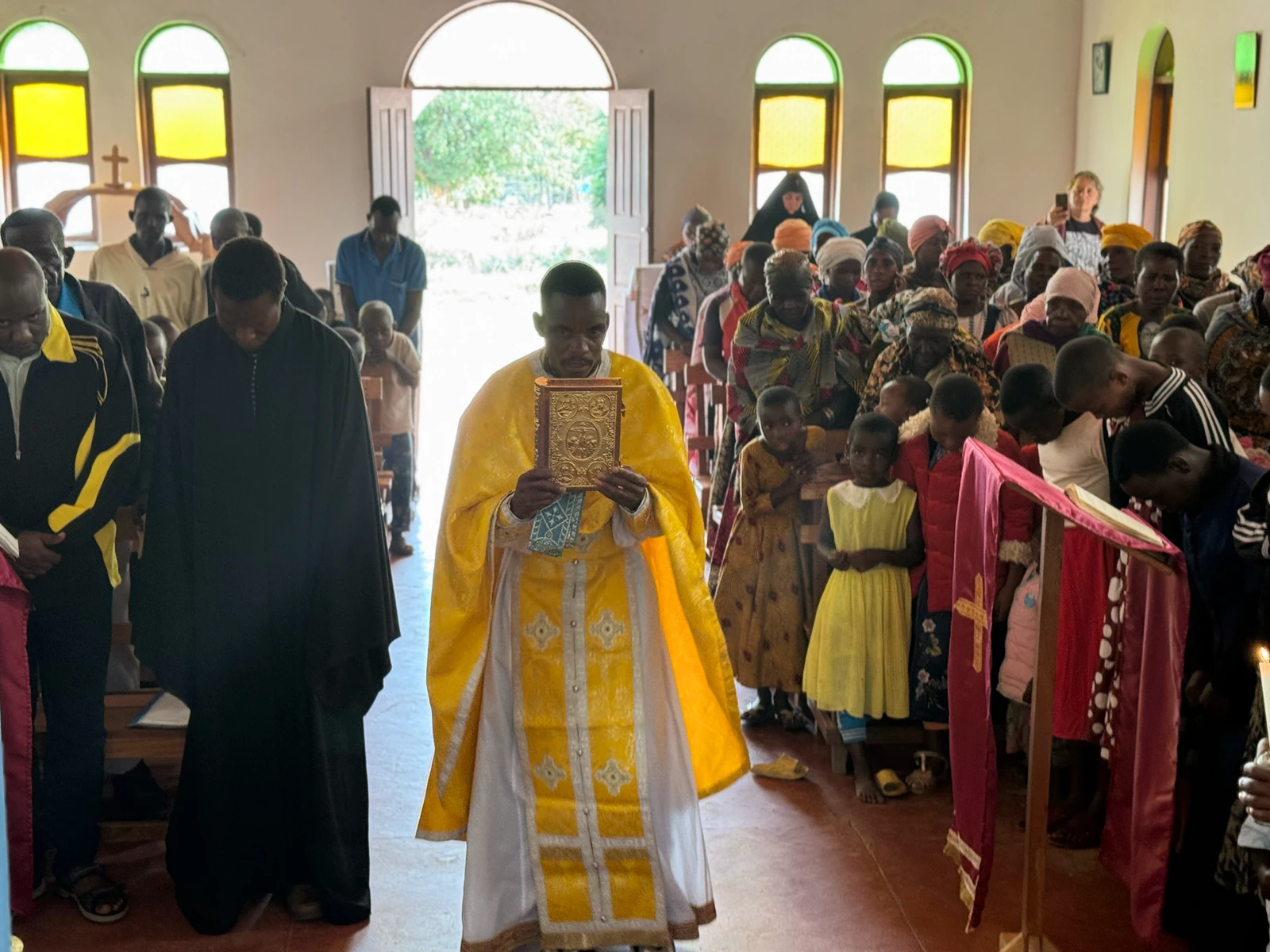
Arrange a pastoral conversation
A personal conversation connects your questions with the life of a parish and your own circumstances. Begin with a request for a meeting and bring the questions you wish to explore.
Read more →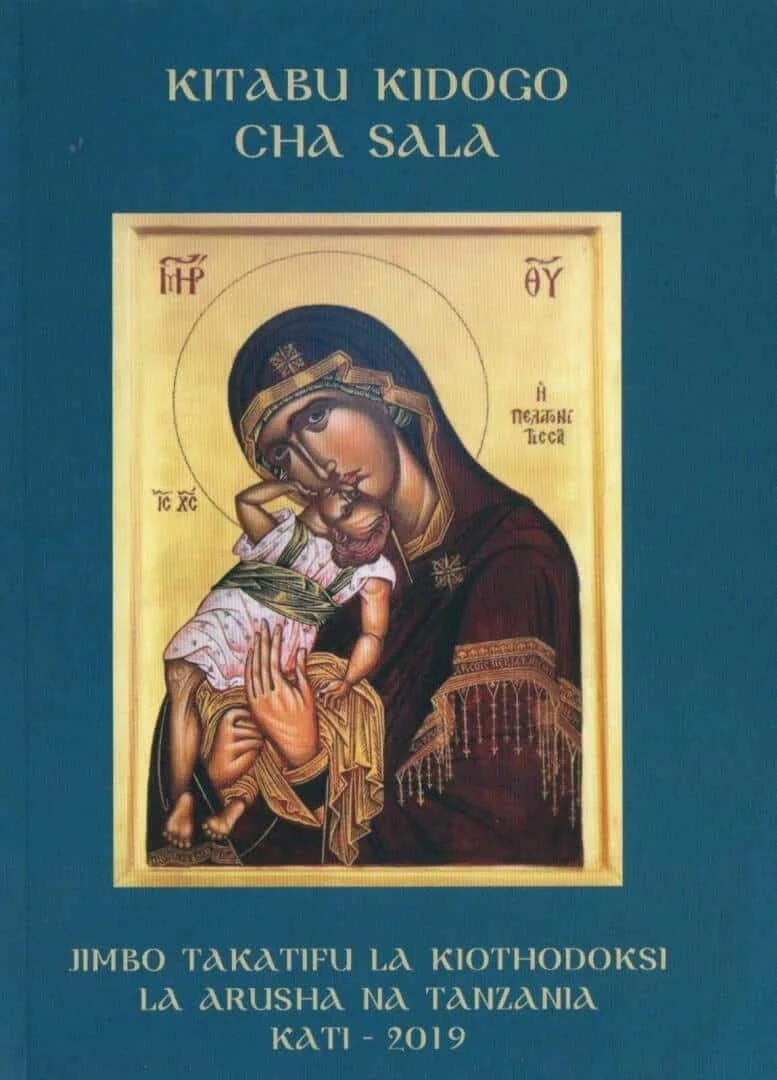
Begin a life of prayer
Prayer joins the ordinary hours of life to the presence of God. A simple, faithful rhythm helps a person offer thanksgiving, ask for mercy, remember others and grow in the prayer of the Church.
Read more →