Begin with the questions below, then follow the longer articles for historical and theological detail. For personal sacramental or pastoral guidance, speak with a priest.
8 minute read
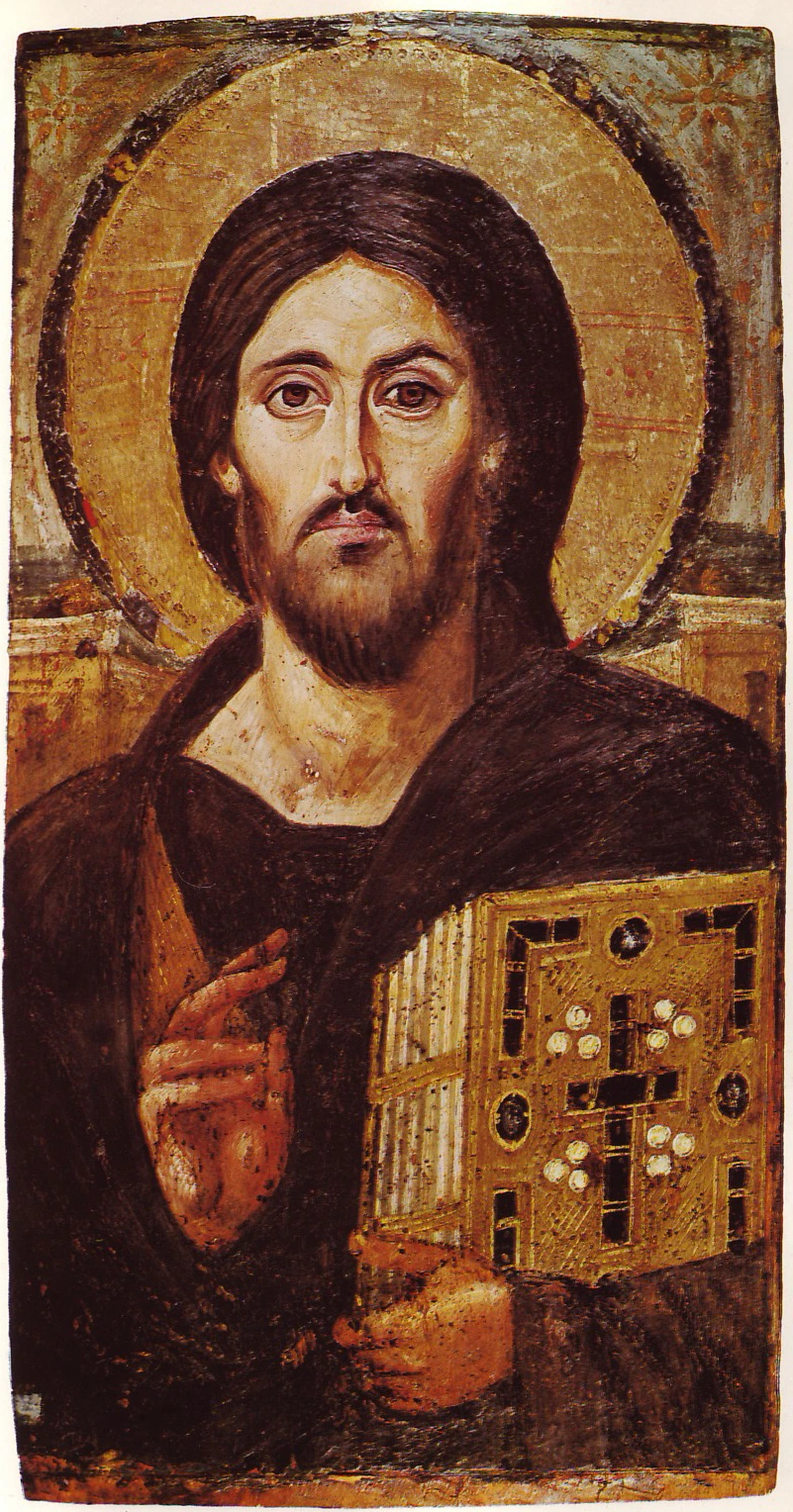
The historic Sinai icon of Christ Pantocrator. Source / credit · Saint Catherine Monastery, Sinai; Wikimedia Commons, public-domain reproduction
Orthodox Christianity confesses Jesus Christ as the incarnate Son of God, crucified and risen for the life of the world. Its teaching, worship and sacramental life carry the apostolic faith through the life of the Church. The belief and history articles explore this inheritance in greater depth.
“For God so loved the world, that he gave his only born Son, that whoever believes in him should not perish, but have eternal life.”
John 3:16 · World English Bible
Christian life begins with God’s love revealed in Jesus Christ and His invitation to share in that life.
The Creed, proclaimed in the Liturgy, provides a concise guide to this confession. It brings together faith in the Father, Son and Holy Spirit, the Incarnation, the Cross and Resurrection, the Church, Baptism and the life to come. Each theme has a place within worship and daily Christian life.
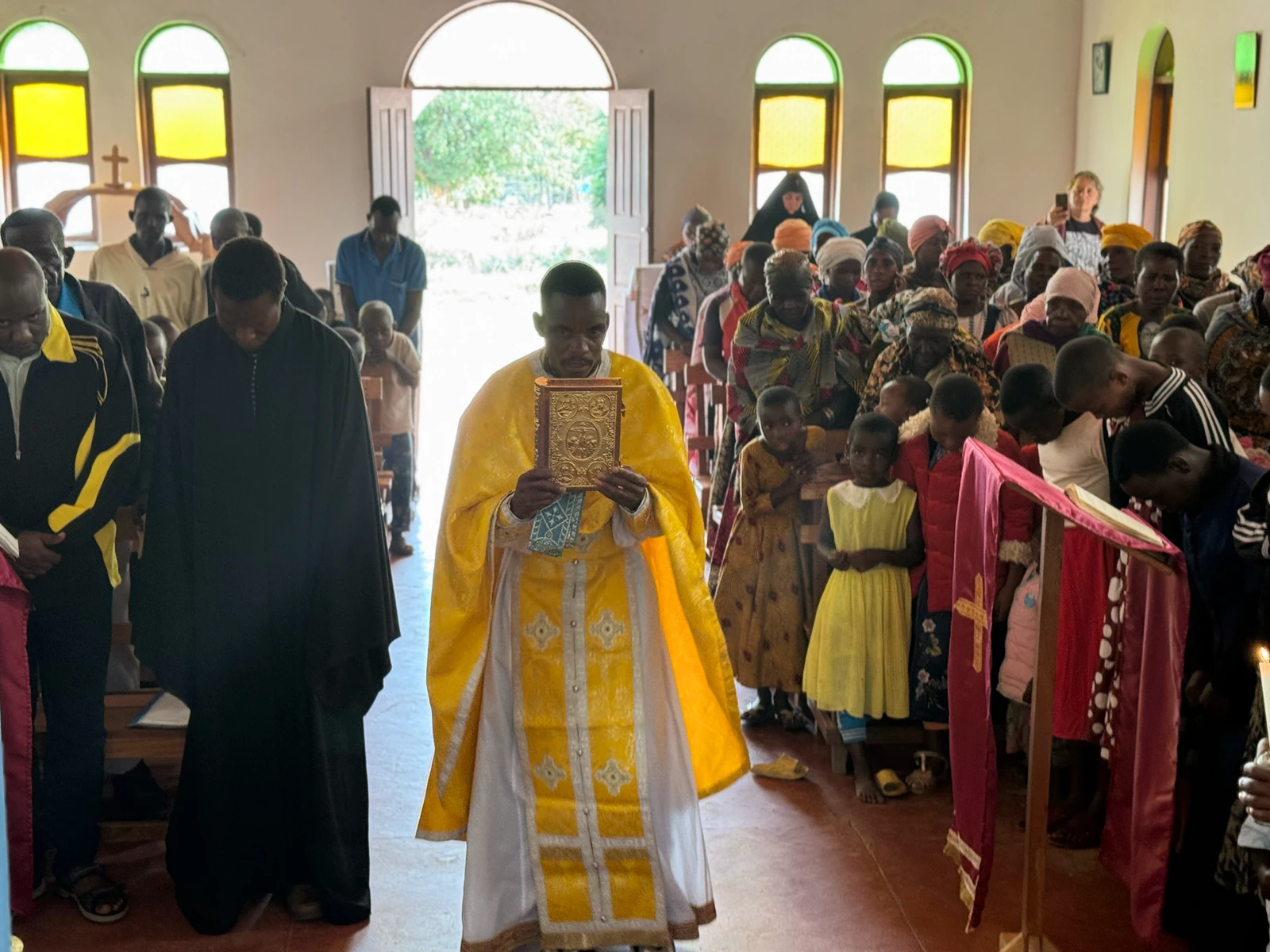
The Church welcomes people of every background. The Patriarchate of Alexandria and All Africa gathers communities across many languages and cultures. Your local parish can explain the languages used in worship and teaching and help you begin taking part.
“There is neither Jew nor Greek, there is neither slave nor free man, there is neither male nor female; for you are all one in Christ Jesus.”
Galatians 3:28 · World English Bible
Through Baptism we belong to Christ and become members of His Church. The Gospel is for every people, and no particular ancestry is required to follow Him.
Scripture is proclaimed in the Church's worship, studied in its teaching and received in prayer. Holy Tradition is the living transmission of the apostolic faith through that shared life, including the councils, the Fathers, the saints and sacred art. The belief article explores these relationships in more detail.
“So then, brothers, stand firm and hold the traditions which you were taught by us, whether by word or by letter.”
2 Thessalonians 2:15 · World English Bible
The Church receives Scripture within the apostolic faith handed down in its worship, teaching and life.
The biblical readings, Psalms and prayers heard in worship help a person learn this relationship directly. A Gospel passage can be studied alongside a homily of a Father and the Church’s celebration of the same event. The reading guide offers a practical way to begin.
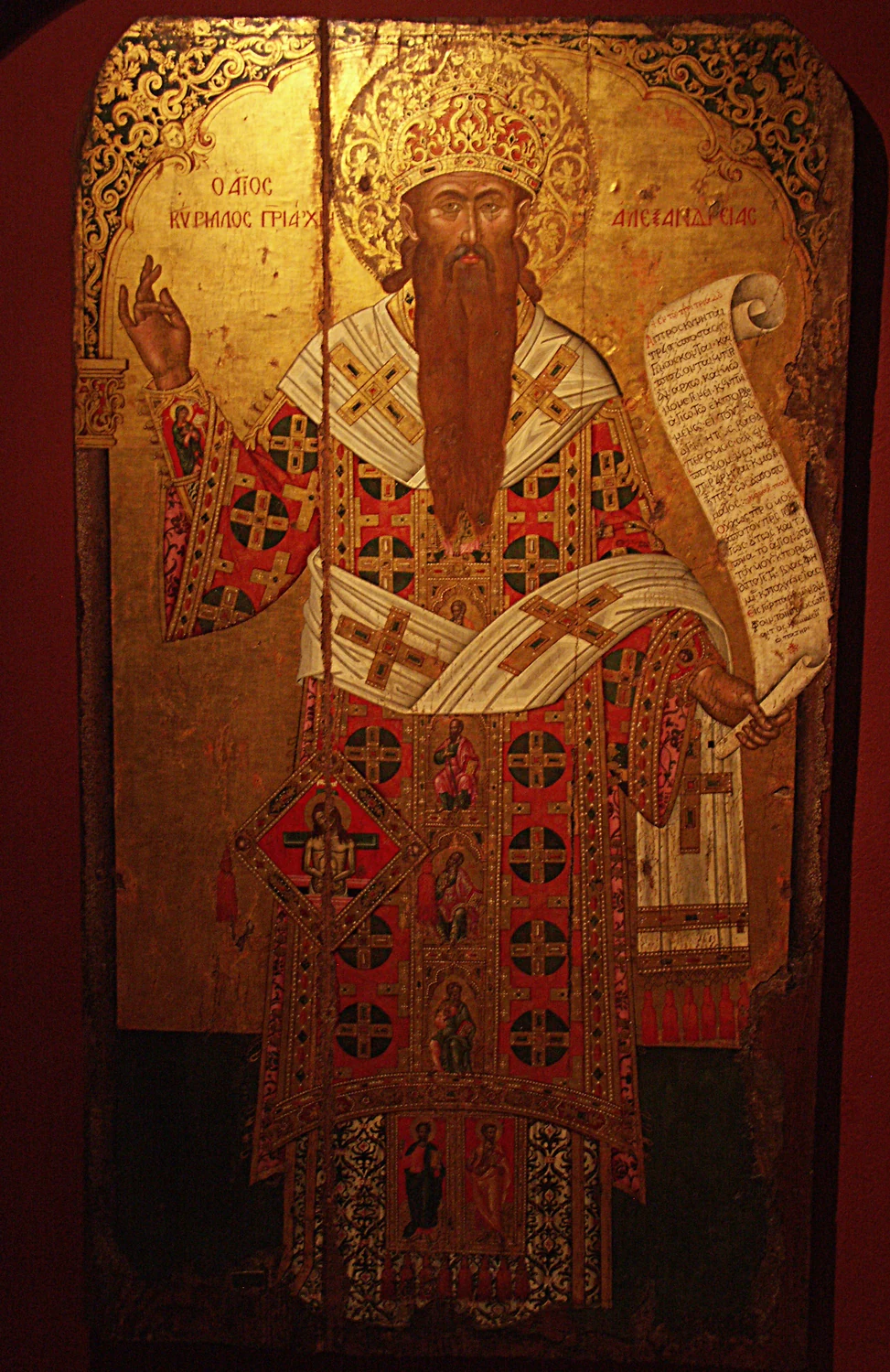
Theotokos means Mother of God. It expresses the Church's confession that the One born from Mary is the eternal Son and Word of God truly become human. Saint Cyril of Alexandria and the Council of Ephesus gave a central place to this title in teaching the unity of Christ.
“Why am I so favored, that the mother of my Lord should come to me?”
Luke 1:43 · World English Bible
Mary is called Theotokos because the child she bore is Jesus Christ, the eternal Son of God who truly became human.
The Council of Ephesus in 431 belongs to the history behind this title. Saint Cyril of Alexandria taught that the humanity and divinity of Christ belong to the one incarnate Son. His writings help explain why the Church’s language about Mary carries such importance for its confession of Christ.
The Church venerates icons and honours the person represented, while worship belongs to God alone. Sacred images confess the Incarnation: Christ truly became human and can be depicted in His humanity. The Seventh Ecumenical Council affirmed the place of icons within the Church's faith and worship.
“The Word became flesh and lived among us. We saw his glory, such glory as of the only born Son of the Father, full of grace and truth.”
John 1:14 · World English Bible
Because the Son of God truly became visible as a human being, the Church depicts Christ in His humanity. The honour offered to His icon is directed to Christ Himself.
An icon often identifies a saint through an inscription, clothing and the book or cross held in the hands. The images around the sanctuary also place the Gospel story and the communion of saints before the congregation. Their meaning becomes clearer through worship and the teaching of the Church.
The saints bear witness to life in Christ through prayer, service, spiritual struggle and martyrdom. The Fathers also handed on their teaching in sermons, letters and theological works. Their lives and writings open a rich path into the faith and its history.
“Therefore let’s also, seeing we are surrounded by so great a cloud of witnesses, lay aside every weight and the sin which so easily entangles us, and let’s run with perseverance the race that is set before us,”
Hebrews 12:1 · World English Bible
The saints encourage us by their witness and direct us toward Christ, the source and fulfilment of faith.
Begin with one life and one short text. Ask what the saint was teaching, whom the words addressed and how that witness was received by the Church. The Fathers guide links the Alexandrian teachers with other major figures and with primary writings available for further study.
The Divine Liturgy is the Church's Eucharistic gathering, with prayer, hymns, Scripture and Holy Communion. Its centre is thanksgiving to God and communion in Christ. A visitor can begin by listening and observing; the worship guide explains the service's principal movements.
“When he had given thanks, he broke it and said, “Take, eat. This is my body, which is broken for you. Do this in memory of me.””
1 Corinthians 11:24 · World English Bible
In the Divine Liturgy the Church gathers in thanksgiving, hears the Scriptures and shares in the Eucharist.
Listening for the readings, the Creed, the Eucharistic thanksgiving and the Lord’s Prayer helps you recognise the service’s movement. The worship guide follows these moments in order and explains how thanksgiving, offering and communion shape the gathering.
Orthodox worship involves the whole person and receives the gifts of creation into prayer. Candlelight, the fragrance of incense, chanting and sacred images give expression to thanksgiving, reverence and the Church's sacramental life. A priest or parish member can explain a particular action or symbol.
May I come if I am not Orthodox?
Yes. You are welcome to attend, listen and learn. Confirm the place and time, enter quietly and ask for help with anything unfamiliar. Afterwards, introduce yourself and ask about further reading or a conversation with the priest.
“He said to them, “Come and see.””
John 1:39 · World English Bible
You are welcome to come, listen and begin learning through the prayer and life of a parish.
The first-visit guide includes a practical checklist, a walk-through of the Liturgy and suggestions for continuing afterwards. The parish directory helps you identify a community and find the visitor information currently recorded for it.
Holy Communion is received by Orthodox Christians prepared within the Church's sacramental life and pastoral discipline. Visitors are welcome at the service. Speak with the priest about preparation, your circumstances and the appropriate way to take part.
“But let a man examine himself, and so let him eat of the bread and drink of the cup.”
1 Corinthians 11:28 · World English Bible
The Eucharist is received with faith and preparation within the life of the Church. A priest can guide you personally.
What if I do not know when to stand, bow or cross myself?
Begin by listening and observing. A parish member can explain unfamiliar actions and help with practical questions. Understanding grows as you become familiar with the prayer of the community. If you need to sit or step outside, ask for help.
What is a catechumen?
A catechumen is someone preparing to enter the Church through instruction, prayer and participation. This preparation has an ancient history and is still reflected in the prayers of the Liturgy. A priest can explain enrolment, the local learning available and the next steps.
“Go and make disciples of all nations, baptizing them in the name of the Father and of the Son and of the Holy Spirit,”
Matthew 28:19 · World English Bible
A catechumen begins learning to follow Christ through instruction, prayer and participation in the life of the Church.
Preparation includes learning the Creed, reading Scripture, attending worship and beginning a Christian pattern of life. Your questions and circumstances belong within the conversation with the priest. The catechumenate guide explains how those elements fit together.
The priest will discuss your Christian background and circumstances and explain your preparation and reception under the bishop’s guidance. The sacramental article introduces Baptism and Chrismation; a pastoral conversation connects that teaching with your own preparation.
How long does it take to become Orthodox?
Preparation is arranged with the priest, who considers your learning, participation, previous Christian experience and readiness. The catechumenate gives time for the faith to take root through worship, prayer and the life of the parish.
A useful first step is to agree on a regular pattern of instruction and participation with the priest. As preparation develops, you can discuss what has become clear, what needs further study and how the faith is taking root in your life.
Can I bring children or a family member who is unsure?
Families are welcome to enquire about a visit. Ask the parish about practical arrangements for children and any questions your family members may have. People can explore at their own pace, with space for respectful conversation and guidance from the priest.
“But when Jesus saw it, he was moved with indignation and said to them, “Allow the little children to come to me! Don’t forbid them, for God’s Kingdom belongs to such as these.”
Mark 10:14 · World English Bible
Children and families have a place in the life of the Church. A parish can help you prepare for your first visit together.
Families can ask about the length and language of a service, where children can sit and how to take a short break when needed. Talking with the parish beforehand helps you plan a visit that fits your family’s practical circumstances.
Bring your question into a conversation with a priest or catechist. The library offers further reading, and the parish contact pathway can help you arrange a discussion suited to what you would like to understand.